


When the Crisis is Human-Made
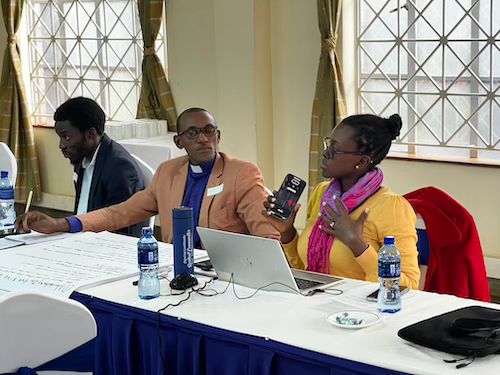
Not all crises come from nature. Many challenges our churches and communities face are made worse, or even caused, by human decisions, actions, or failures. In the Gaborone discussions, leaders reflected that sometimes the real crisis is not the drought, conflict, or disease itself, but how people respond or fail to respond.
For example, the team heard stories of:
A leader in Gaborone said:
"Drought is nature, but when we ignore it until people suffer, the crisis is ours, not the rain’s."
The Role of Leadership in Escalating or Easing Crises
Leaders in Gaborone reflected on how fear, disunity, or a lack of preparation can turn a difficult situation into a full-blown crisis. Some churches were quick to pray but slow to act, hiding behind spiritual language rather than facing hard realities.
Key lessons shared included:
One participant admitted, "Sometimes, we used prayer as a way to avoid action. We prayed while our people starved."
Moving from Reaction to Responsibility
The Gaborone reflections challenged leaders to ask:
The discussion made it clear: while we cannot stop every drought, election, or disease, we can control how we respond, and this is where leadership matters most.
Personal Reflection Section
Example to Consider:
"One church shared during the Gaborone visit that they delayed action during a prolonged drought. They waited on government aid and outside funding. By the time help arrived, many in the community had suffered. Leaders reflected later, ‘We had land. We had people. We could have started community gardens or water collection. But we were frozen, waiting for rescue.’"
Reflection Instructions:
Think of a time in your church or community when the response, or failure to respond, made a crisis worse. This could be recent or from the past.
Write a short personal reflection (300–400 words) that includes:
Writing Guidelines:
Closing Reminder:
Remember, leadership is not about having all the answers but about showing up when it matters most. Next, we’ll explore the role of migration and cultural dynamics, another challenge that can be ignored or embraced in times of crisis.

FTLT, in partnership with the University of Pretoria and multiple other networks throughout sub-Saharan Africa, is conducting a research project (2024–2026) to investigate and analyse the dynamic responses of the Church in sub-Saharan Africa to global crises.
For more information about the research project, you may contact either Adriaan Adams (FTLT) of Prof. Hannes Knoetze (UP).
Email: adriaan@ftlt.org / johannes.knoetze@up.ac.za
Tel: +27 82 770 5310 / +27 82 873 9122
Email: adriaan@ftlt.org
Phone: (+27) 82 770 5310
Address: 32 Umgazi rd, Ashlea Gardens, Pretoria